When I think about my most successful project, I think of Clover.
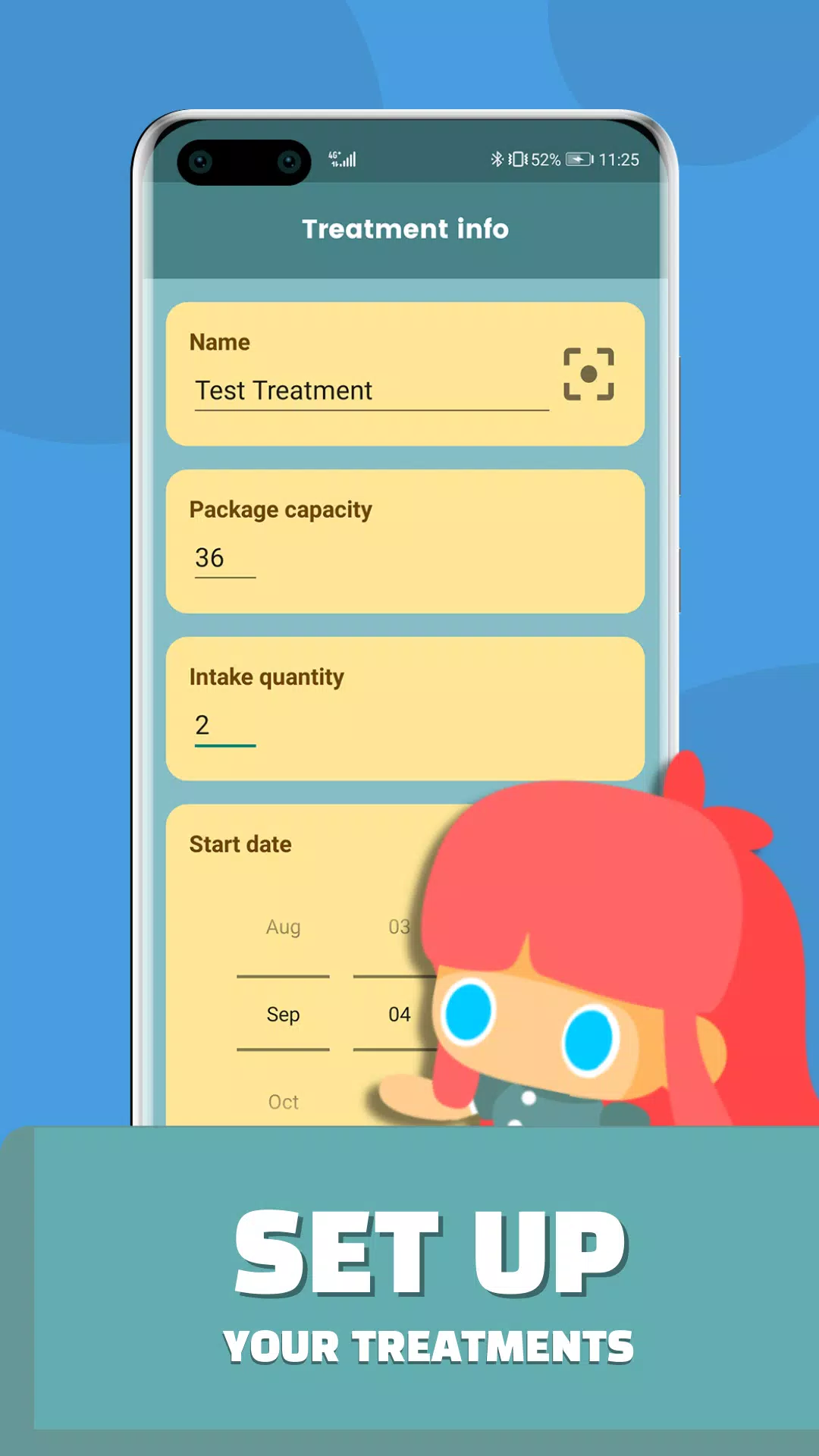
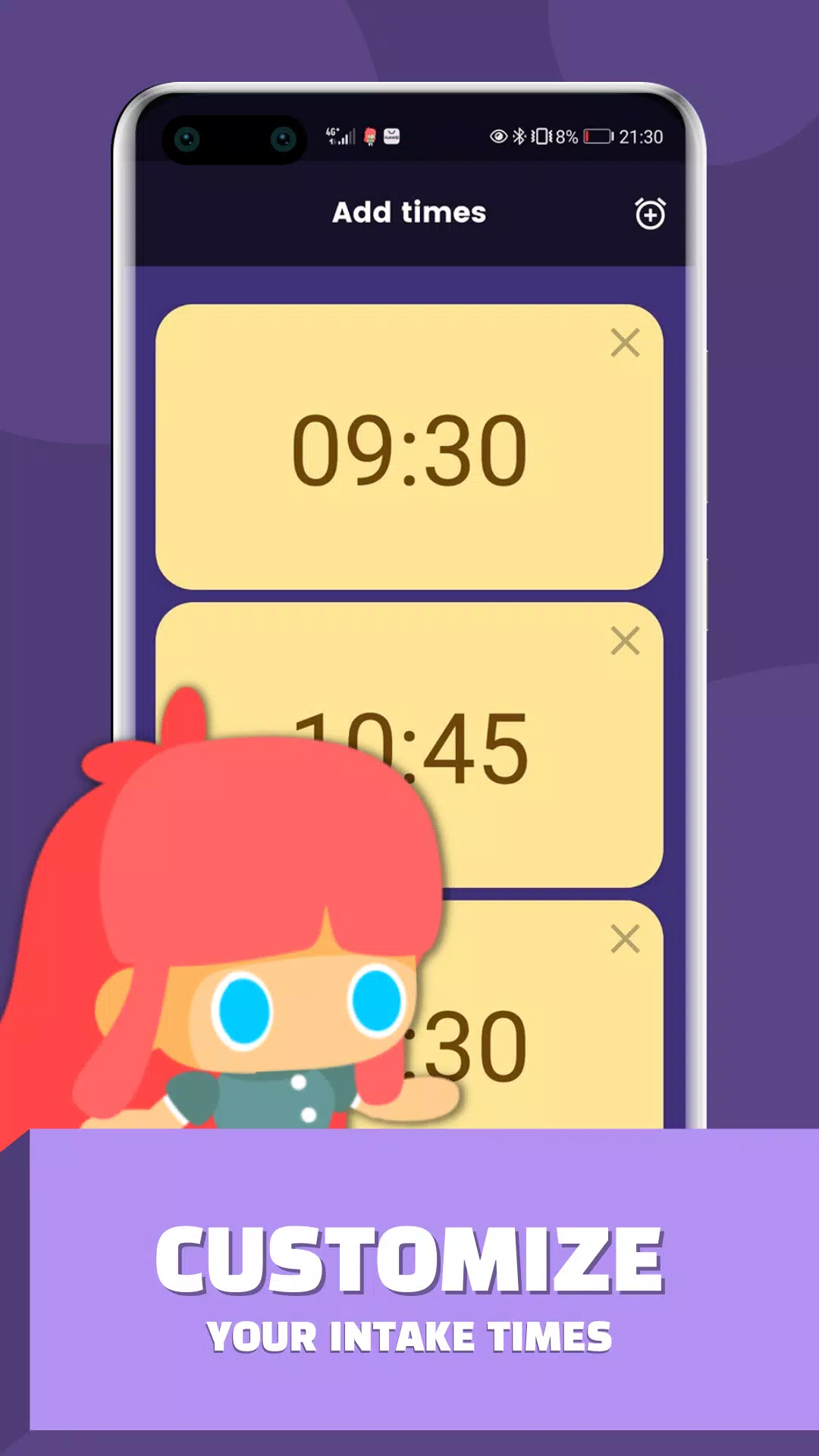
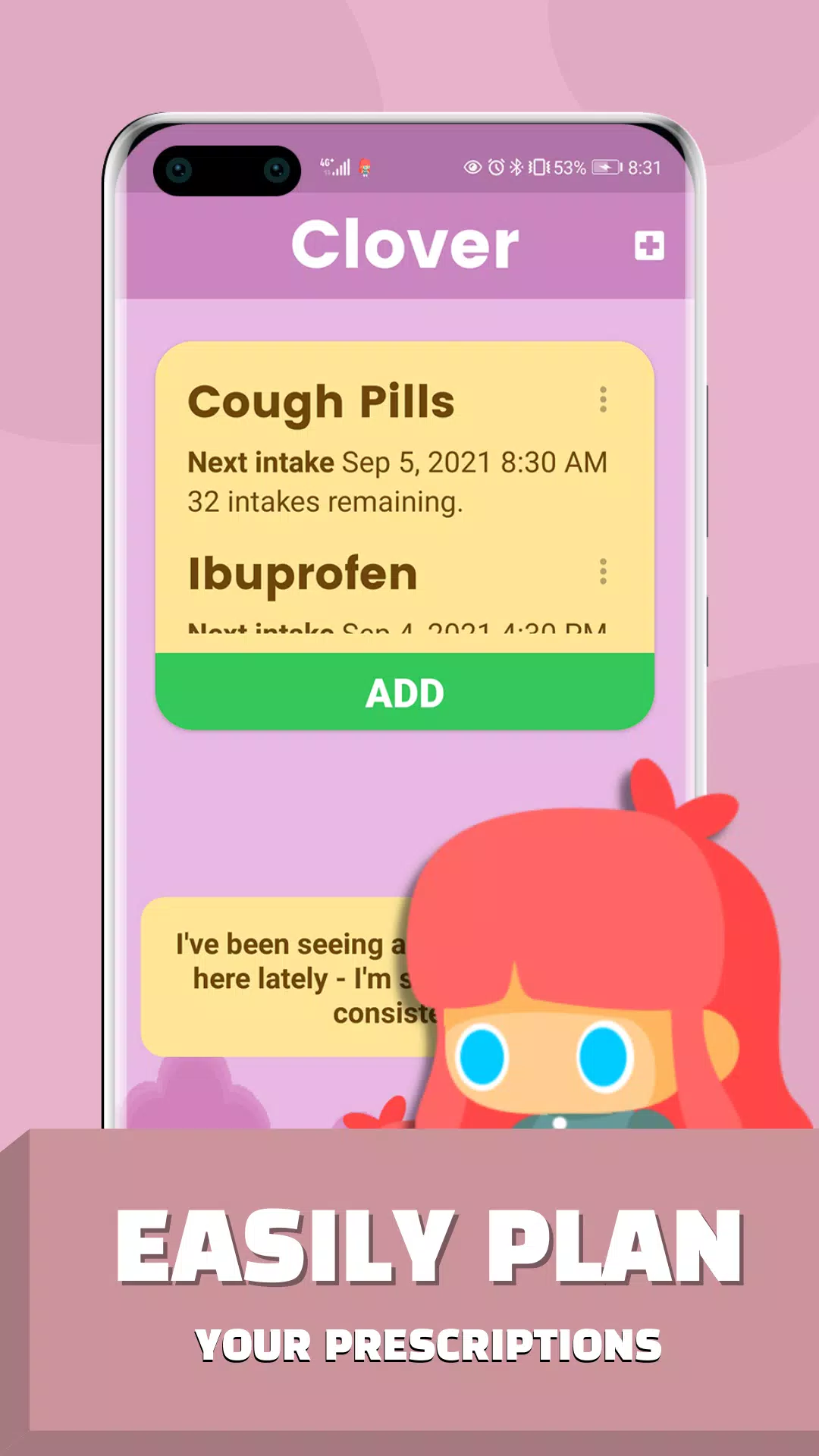
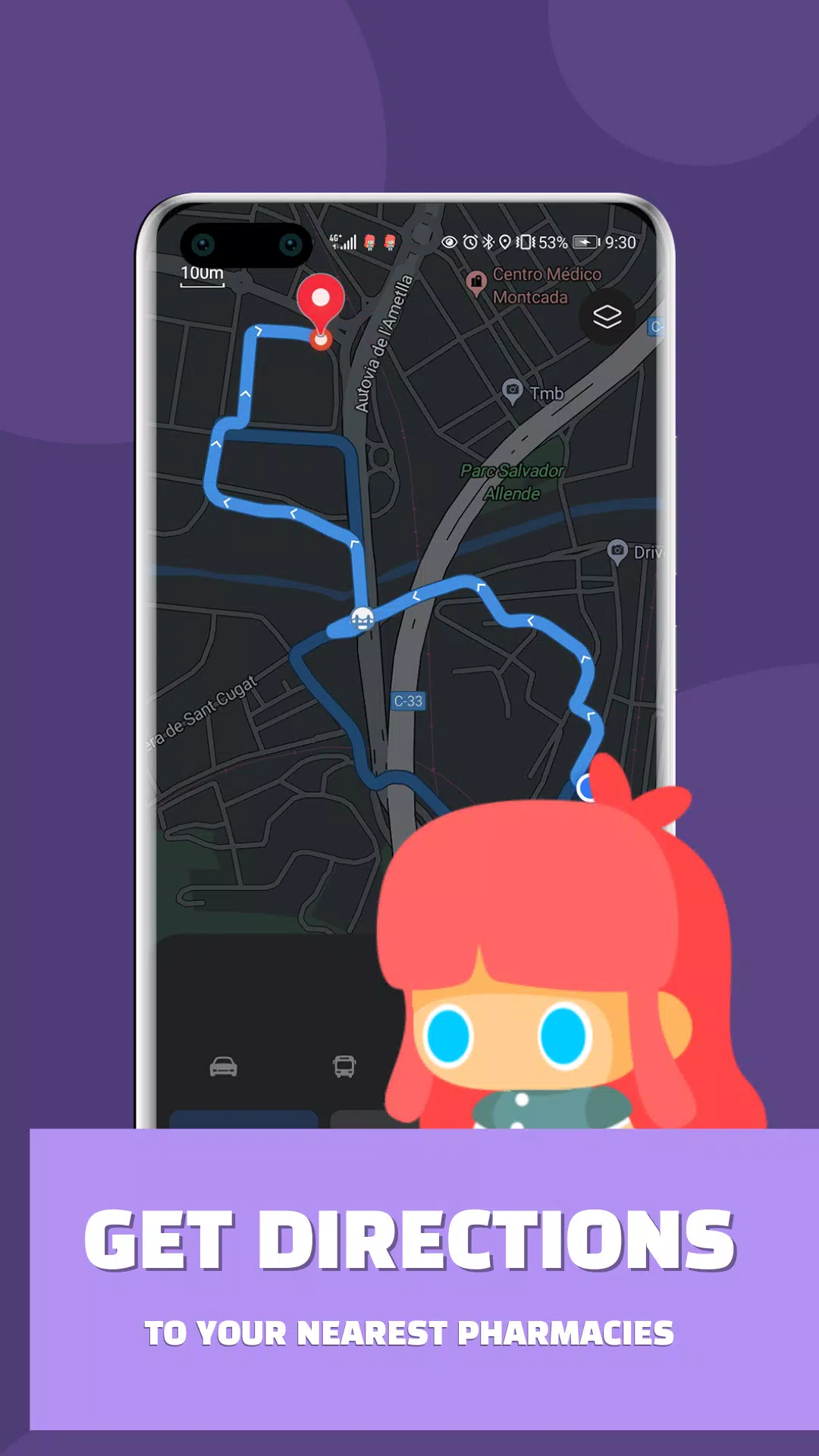
It was my submission to a student hackathon organized by Huawei in 2020, which I won. I had two weeks to prototype an app that used Huawei APIs, and it looked like this:
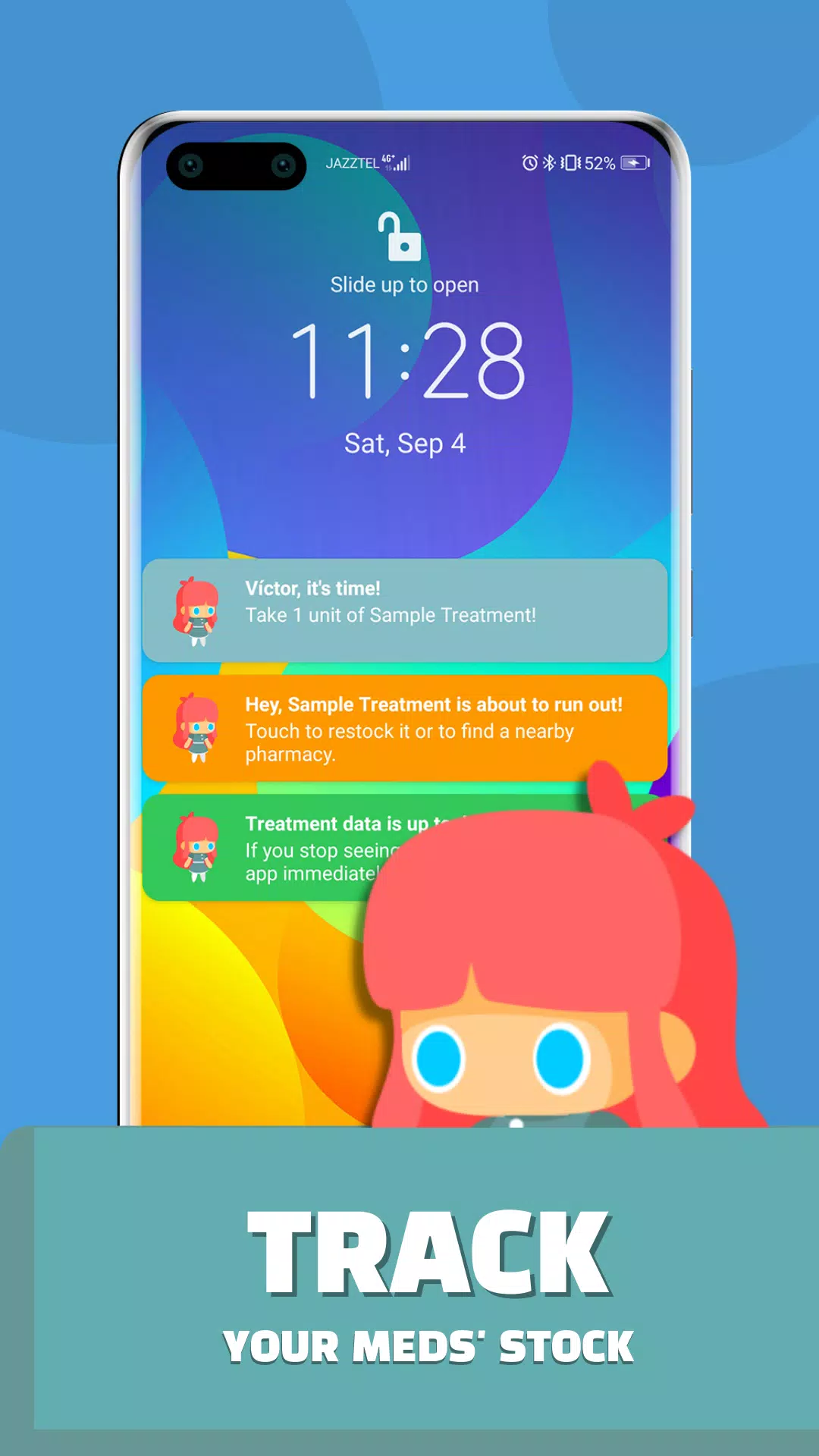
Wanting to drift away from Android’s pre-built Material libraries, I designed the entire interface myself, excluding the character and the buttons, which were taken from a free asset database. I dug into Animatable to make the character walk and bob, and learned all things AlarmManager to set up notifications for treatments.
The Huawei APIs I used were:
- Awareness Kit: to detect changes in the weather and customize the entire app UI.
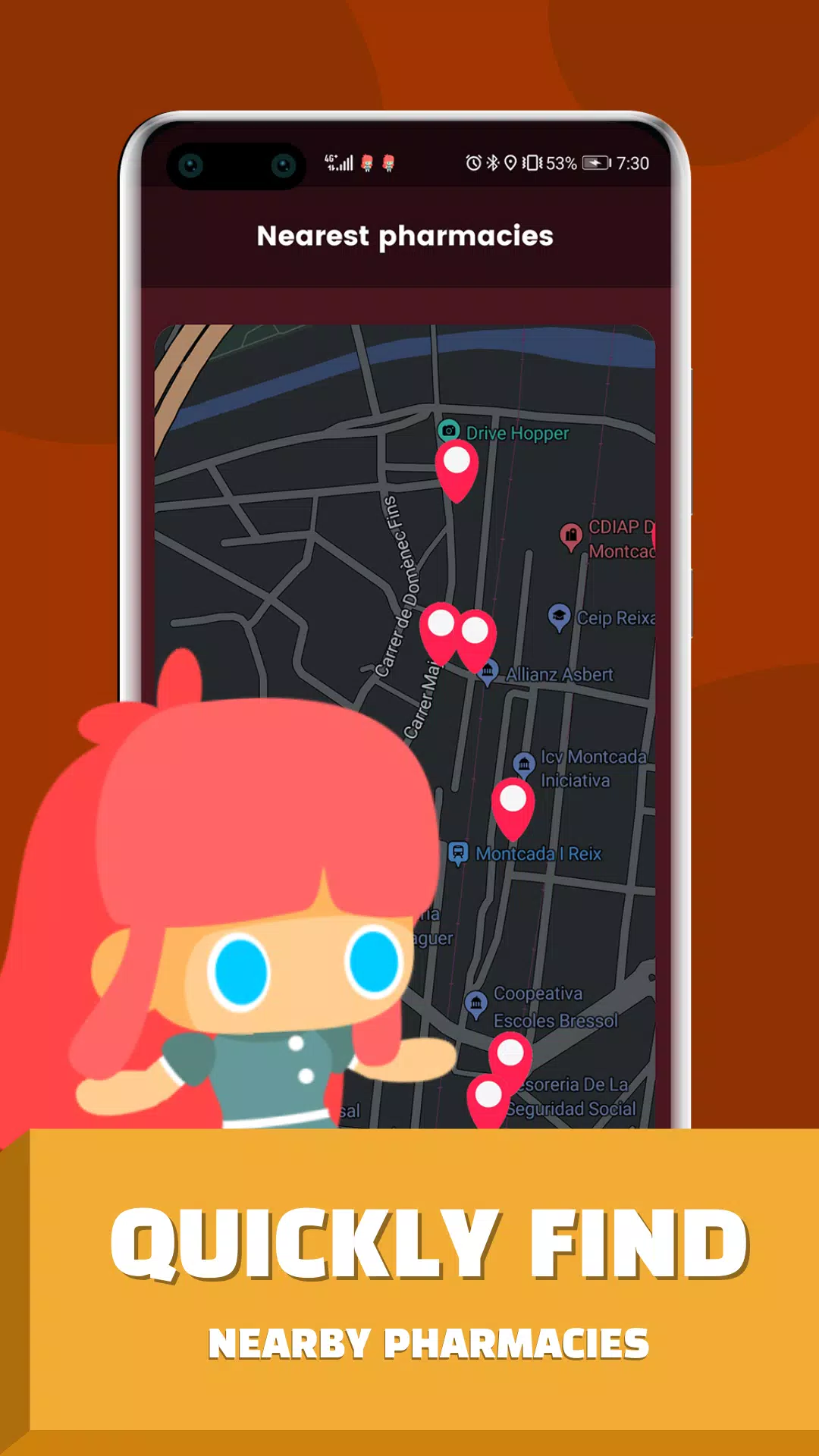
- Map and Site Kit: to integrate with Petal Maps and find nearby pharmacies, with the ability to call them directly from the app.
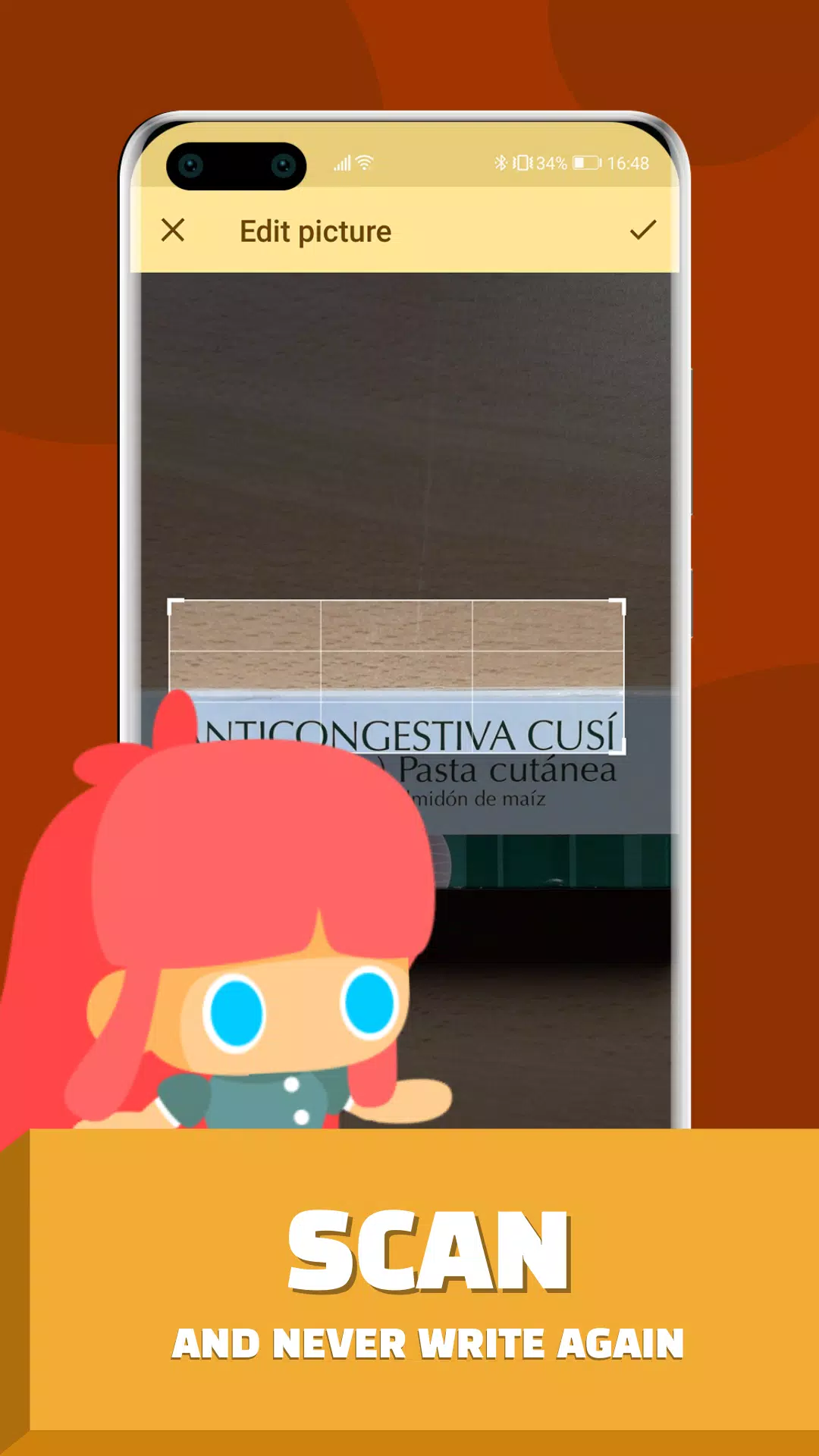
- ML Kit: to detect text in medication boxes and automatically fill out the data.
- I briefly integrated Ad Kit, but the ad quality wasn’t great, so I quickly took it out.
After winning my first two awards, I redesigned the app from scratch and translated it into Kotlin. I used MVVM to separate concerns and reengineered the notification queue, which was by far the most complex feature in the app.
Later in 2021, I created Clover for Watch, a Huawei Watch app that enabled users to dismiss treatments directly from their wrist. This earned me an Honorable Mention in AppsUP 2022.
The app had potential and was briefly available on the Google Play Store, although for most of its lifetime it was exclusively available on AppGallery, Huawei’s own app store. Poor marketing and the increasing cost of development eventually made me abandon the project, which became too big for a single person to maintain part-time.
I’m satisfied, though: Apple only figured out the potential of this kind of app a year later, when iOS 16 was released.